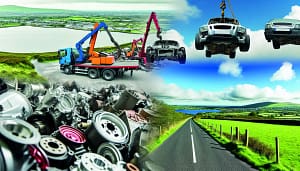


The Environmental Impact of Automotive Waste
Every year, thousands of old and unusable vehicles reach the end of their life cycle in Ireland. Traditionally, these cars posed a huge environmental threat due to hazardous fluids, non-biodegradable materials, and waste metals entering landfills. With rising awareness around sustainability, car dismantlers are stepping up to address these challenges.
How Car Dismantlers Operate
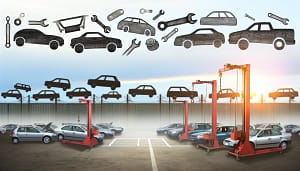
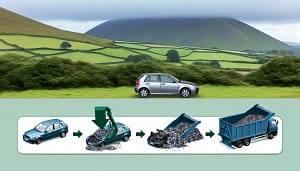
Car dismantlers—sometimes called auto recyclers or breakers—specialize in breaking down and recycling end-of-life vehicles. Their process involves:
- Draining and safely disposing hazardous fluids (oils, coolants, etc.)
- Recovering reusable parts for resale, giving them a second life
- Shredding metal and plastic components for recycling into new products
Reducing Landfill Waste
Dismantlers divert tons of waste from landfills every year. By responsibly managing non-reusable materials and recycling what they can, they substantially lower the volume of automotive waste that would otherwise pollute Irish landscapes.
Lowering the Carbon Footprint
Car dismantlers indirectly reduce carbon emissions by decreasing the need for raw materials in new car manufacturing. Recycling metals and plastics requires far less energy compared to sourcing, transporting, and processing virgin materials.
Second-Hand Parts and Emission Savings
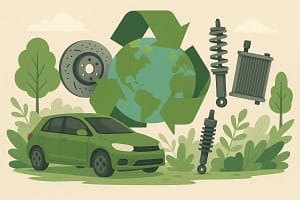
Reusing quality-assured car parts cuts emissions further by minimizing the demand for new parts. These second-hand parts help car owners repair vehicles in an eco-friendly, cost-effective way, supporting Ireland’s effort to reduce its overall carbon footprint.
Supporting a Circular Economy in Ireland
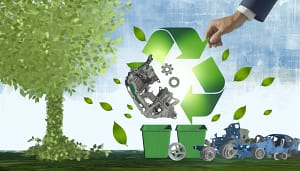
By turning end-of-life vehicles into a valuable resource, Irish car dismantlers are crucial players in the transition towards a circular economy. Their services not only curb pollution but also promote sustainability on a national scale, helping to meet Ireland’s climate goals.