

Introduction to Vehicle Disposal
Getting rid of an old or unwanted vehicle can feel overwhelming. However, choosing a trusted dismantler makes the process straightforward, eco-friendly, and often profitable. Here’s what you need to know when disposing of your vehicle through a reputable service.
Why Choose a Trusted Vehicle Dismantler?
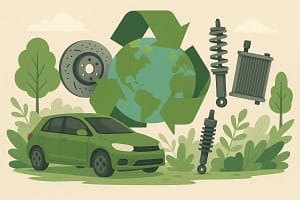
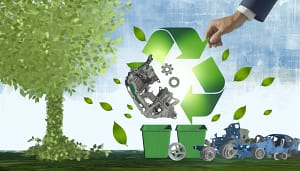
- Environmental Responsibility: Proper disposal prevents pollution by safely handling hazardous materials.
- Regulatory Compliance: Trusted dismantlers follow local and national laws for vehicle recycling.
- Value Recovery: You can recoup value through part salvaging or scrap metal recycling.
The Vehicle Disposal Process Explained
1. Requesting a Quote
Start by contacting the dismantler with your vehicle’s details—make, model, year, and condition. The dismantler often provides a free, no-obligation quote for collection and disposal.
2. Arranging Collection
Once you accept the offer, the firm will arrange to pick up the vehicle. Some dismantlers offer same-day or next-day pickup, often at no extra cost.
3. Completion of Paperwork
A trusted dismantler will assist in completing all legal paperwork, such as deregistration and ownership transfer, ensuring you comply with local regulations and avoid future liabilities.
4. Environmentally Friendly Dismantling
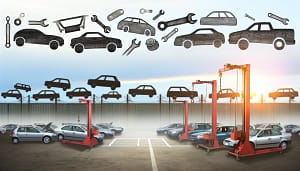
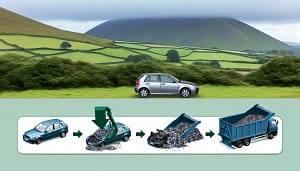
Once collected, your vehicle undergoes depollution—removal of fluids, batteries, and hazardous parts. Components are either recycled or sold as used parts, and remaining materials are processed for scrap.
5. Payment and Confirmation
Reputable businesses provide payment quickly, via your preferred method. They may also issue a certificate of destruction or disposal, confirming responsible recycling.
Tips for a Smooth Disposal Experience
- Remove personal belongings and check all compartments.
- Gather required documents, such as registration and proof of ownership.
- Choose a licensed and insured dismantler for peace of mind.
Conclusion: Responsible Disposal, Rewarding Results
Disposing of your vehicle with a trusted dismantler is efficient, ethical, and often rewarding. By understanding the process, you can ensure your old car is handled correctly—from collection to recycling—while benefiting the environment and your wallet.