

Introduction
Recycling car parts isn’t just about saving money—it’s a crucial way to reduce our environmental footprint. Here’s how choosing recycled car components helps protect the planet.
Reducing Resource Consumption
Less Demand for Raw Materials
Manufacturing new car parts requires mining metals, drilling for oil, and consuming other finite resources. Every recycled part used means fewer materials extracted from the earth.
Lower Energy Usage
Producing parts from raw materials is energy-intensive. Recycling parts uses significantly less energy, which translates into fewer greenhouse gas emissions.
Minimizing Landfill Waste
Keeping Car Parts Out of Landfills
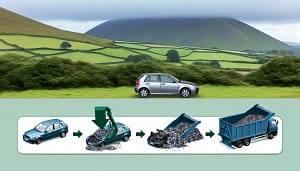
Vehicles are made up of thousands of components, many of which don’t decompose quickly. By reusing and recycling these parts, we keep tons of waste out of overflowing landfills each year.
Reducing Pollution
Prevention of Toxic Leaks
Discarded car parts can leak hazardous chemicals into the soil and water. Recycling minimizes the risk of these pollutants entering the environment.
Less Air and Water Pollution
Since recycled parts require less processing than manufacturing new ones, there’s also a reduction in industrial air and water pollution.
Supporting a Sustainable Future
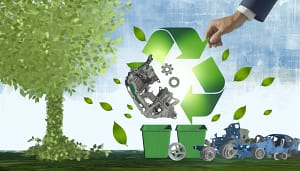
Using recycled car parts supports a circular economy where materials are reused again and again. This approach conserves resources and helps ensure a greener planet for future generations.